
Key Insights for Replacing a Winch Motor
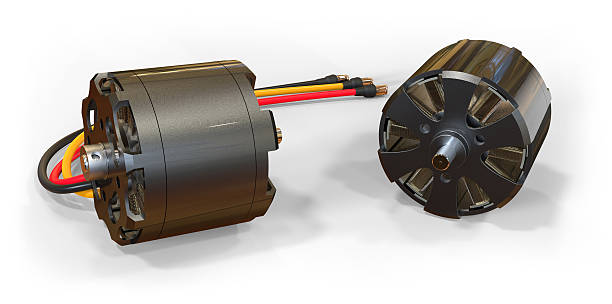
A winch motor is the heart of your winch system, providing the power to pull heavy loads safely and efficiently. Replacing it correctly is essential for performance, longevity, and safety. Here’s what you need to know before tackling a replacement:
- Choose the Right Motor
• Match specifications: Ensure the replacement motor matches the voltage (12V, 24V) and power rating of your original motor.
• Consider capacity: Higher-capacity winches require motors rated for heavier loads. Using an underpowered motor can cause overheating or premature failure. - Inspect Related Components
• Check the solenoid: Often, solenoids wear out alongside the motor. Replacing the solenoid simultaneously can prevent future issues.
• Examine the wiring and battery: Damaged or undersized cables can reduce performance or cause motor failure. - Disassembly and Safety
• Disconnect the battery: Always disconnect power before removing the motor to prevent electrical shocks or short circuits.
• Release tension from the winch cable: Ensure the drum is unloaded to avoid injury when removing the motor. - Installation Best Practices
• Align motor properly: Ensure the motor shaft and gear assembly align with the drum drive. Misalignment can cause grinding and damage.
• Secure connections: Tighten all bolts and electrical connections to prevent loose contacts or arcing.
• Lubricate gears if required: Some motors require light lubrication for smooth operation; follow manufacturer recommendations. - Test After Replacement
• Run without load first: Verify smooth operation before pulling heavy loads.
• Check voltage draw: Excessive current draw can indicate misalignment, binding, or incorrect installation.
• Listen for unusual noises: Grinding, squealing, or vibration can signal installation issues or faulty parts. - Maintain for Longevity
• Keep the motor and gears clean and dry.
• Periodically inspect wiring and connections for corrosion.
• Avoid exceeding the winch’s rated load to prevent motor burnout.
Replacing a winch motor properly ensures reliable performance, prevents damage to other components, and keeps your vehicle or equipment ready for tough jobs.
If you want, I can also make a concise checklist for replacing a winch motor, which is handy for quick reference during the job. Do you want me to create that?