
How Solenoids Work in Starting a Vehicle
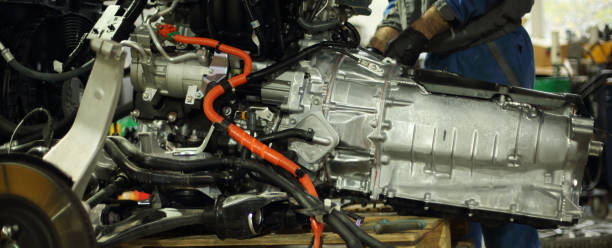
The starter solenoid is a critical component in your vehicle’s starting system. It acts as a high-current switch that connects the battery to the starter motor, allowing your engine to crank when you turn the key or press the start button.
Here’s how it works:
- The Key or Start Button Is Activated
When you turn the ignition key or press the start button, a low-current signal is sent to the starter solenoid. This signal tells the solenoid that it’s time to engage the starter motor. - The Solenoid Acts as a Switch
Inside the solenoid is an electromagnet. When it receives the signal, the electromagnet pulls a plunger that bridges the battery terminals. This closes the circuit between the battery and the starter motor, allowing high current to flow. - The Starter Motor Cranks the Engine
With full battery power now flowing, the starter motor spins the engine’s flywheel or flexplate, turning the crankshaft and starting the engine. - Disengagement After Start
Once the engine starts, you release the key or start button. The signal to the solenoid stops, the electromagnet releases the plunger, and the high-current circuit is opened. This disengages the starter motor, preventing damage from running continuously.
Key Points
• Acts as a high-current relay: Protects the ignition switch from carrying heavy current.
• Enables starter engagement: Connects battery power to the starter motor only when needed.
• Prevents damage: Automatically disconnects after the engine starts.
In short, the solenoid is the “go-between” that safely and efficiently controls the flow of electricity from the battery to the starter motor, making sure your engine starts reliably every time.
If you want, I can also make a simple diagram showing a starter solenoid in action, which makes it easier to visualize. Do you want me to do that?