Upgrading to a High-Output Alternator
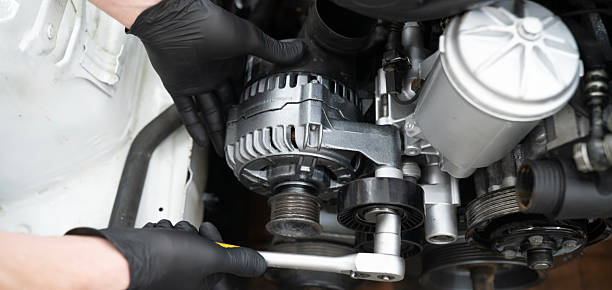
Your alternator supplies the electrical power needed to run your vehicle’s systems and keep the battery charged. Most factory-installed alternators are designed to handle standard equipment and typical driving conditions. However, if your vehicle has added electrical accessories or higher power demands, upgrading to a high-output alternator may be necessary.
What Is a High-Output Alternator?
Alternators are rated by amperage—the amount of electrical current they can produce. A high-output alternator generates more amperage than a standard (stock) unit. This additional capacity ensures your electrical system can meet higher demand without overworking the alternator.
It’s important to understand that a higher-amperage alternator does not force extra power into your vehicle’s components. It simply provides additional current when required. If the demand is low, the extra capacity remains unused.
When Should You Consider an Upgrade?
You may benefit from a high-output alternator if your vehicle has:
- High-Powered Audio Systems
Large amplifiers and subwoofers require substantial electrical power, especially at higher volumes. - Auxiliary Lighting and Accessories
Off-road lights, winches, additional cooling fans, and other aftermarket equipment increase electrical load. - Work or Utility Demands
Vehicles used for towing, snowplowing, or other heavy-duty applications often require more charging capacity. - Electrical Performance Issues
Dimming headlights, flickering interior lights, or sluggish power accessories may indicate insufficient alternator output. - Frequent Battery Problems
If your battery regularly loses charge or fails prematurely, the alternator may not be supplying enough current to keep it fully charged.
The Bottom Line
A high-output alternator isn’t necessary for every vehicle. However, for those with increased electrical demands, it provides the additional capacity needed to maintain consistent performance, protect the battery, and ensure all systems operate reliably.